Future Geographies: Art in the Century of Climate Change
May 14, 2026–January 10, 2027
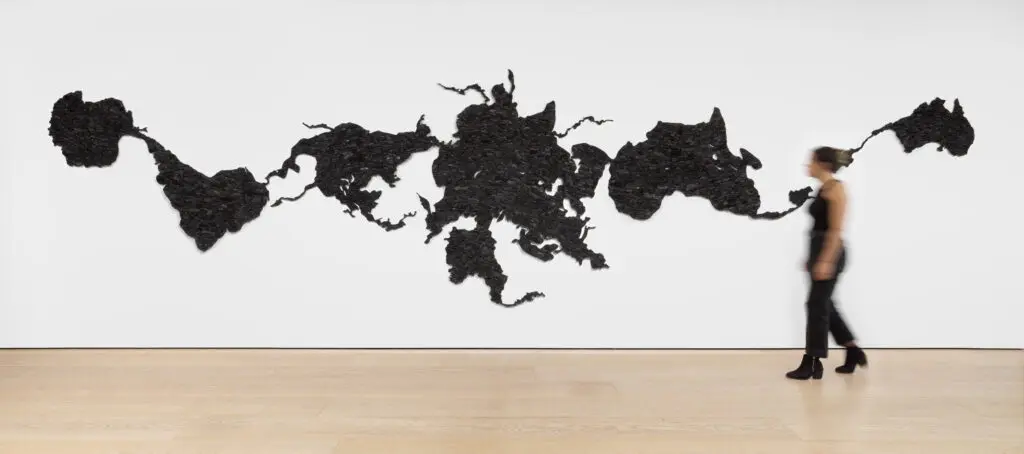
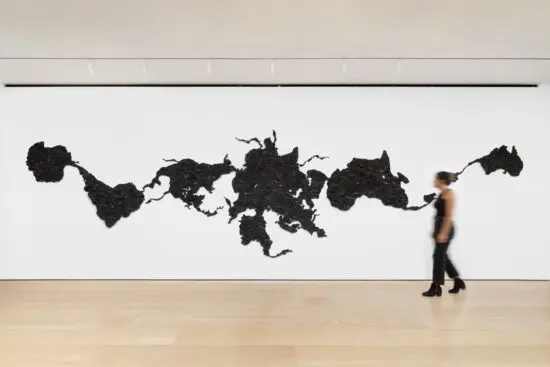
Teresita Fernández, Island Universe 2, 2023, charcoal, Collection of the Vancouver Art Gallery, Acquisition Fund, Photo: Dan Bradica, Courtesy Lehmann Maupin, New York, Seoul, and London
Located on the 2nd Floor
Admission is always FREE for Gallery Members, Access Pass Holders and children and youth aged 18 and under. Find out more »
Future Geographies: Art in the Century of Climate Change is the first major exhibition in Canada to examine the intersection of the climate crisis and contemporary art on a global scale.
As the environmental crisis accelerates, artists around the world are responding with urgency, insight and vision.
Featuring works from the past 25 years, this exhibition underscores the gravity and relevance of sustainability and the environment as defining issues of our time. More than 35 works across a range of media—from large-scale video installations to living sculptures—invite viewers to confront pressing questions about our shared future on this planet.
Presented across multiple floors, Future Geographies includes a newly commissioned work by Jeffrey Gibson and marks the first time several artists are exhibiting in Vancouver, including Teresita Fernández, Josh Kline, Cannupa Hanska Luger, Jean Shin and Clarissa Tossin. The exhibition also features major works by BC–based artists such as Brian Jungen, Gabrielle L’Hirondelle Hill and Lawrence Paul Yuxweluptun Lets’lo:tseltun, connecting global issues with local specificity. Together, the works in this exhibition invite dialogue and create space for imagining.
In conjunction with the exhibition, the Vancouver Art Gallery is partnering with the University of British Columbia Climate Action Lab to create unique platforms for cross disciplinary dialogue. After its presentation at the Vancouver Art Gallery, Future Geographies will travel to the Art Gallery of Ontario.
Future Geographies will continue on the Gallery’s 4th Floor with the immersive installation SANCTUARY: The Ancient Forest Experience, by Dr. T’uy’t’tanat Cease Wyss, Damien Gillis and Olivier Leroux, and a presentation of cedar works by local artists, curated by Dr. Wyss. Find out more »
A public artwork by Cannupa Hanska Luger will be featured on a billboard on 1611 E Hastings Street (near Commercial Drive) and is a collaboration with Capture Photography Festival. Find out more »
The Gallery has partnered with Canada’s National Observer to present Future Geographies online, extending the exhibition to audiences worldwide.
A GREENER APPROACH AT THE GALLERY
Sustainability is an ongoing commitment that shapes how we create exhibitions, care for our collection, engage with our communities and operate as an organization. Read more about our ongoing approach to reducing the Gallery’s environmental impact.
EXHIBITION PARTNERS
Canada’s National Observer
The Gallery has partnered with Canada’s National Observer, a climate journalism publication, to present Future Geographies online, extending the exhibition to audiences worldwide. The site will feature original essays and videos exploring the artists and their work.
Created by Linda Solomon Wood, Founder and Publisher of Canada’s National Observer, and Eva Respini, the exhibition’s curator, this collaboration unites two Vancouver–based institutions around a central question posed by the artworks themselves and essential to all of us.
University of British Columbia Climate Action Lab
The Gallery has partnered with the University of British Columbia’s Climate Action Lab. Climate Action Lab students researched sustainable approaches to exhibition-making by scripting and producing videos that connect artworks on view to climate science and action. These videos—featured within the exhibition space itself—include information on resources for visitors who wish to get involved locally. This partnership between more than forty UBC undergraduate students from all different disciplines is led by Dr. Sara Harris, Department of Earth, Ocean and Atmospheric Sciences, and Eva Respini, the exhibition’s curator.
Further Collaboration and Research
The Gallery is a participant in Sustainable Arts and Green Ecosystems (SAGE), a local consortium of galleries, museums, theatres and fabricators that promotes sustainable exhibition-making. Our partner in exhibition fabrication, Great Northern Way Scene Shop (GNWS), is committed to eco-conscious operations and provides diversion reports for exhibitions with materials that cannot be repurposed in future exhibitions. Through GNWS, the Gallery collaborates with Urban Jacks, a local company that diverts wood waste from landfills and transforms it into reclaimed lumber.
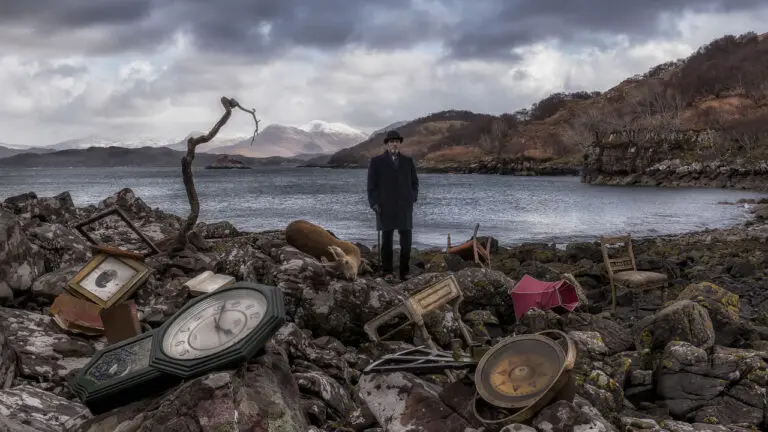
John Akomfrah, Vertigo Sea, 2015, 3 channel high-definition video, 48:30 min., Collection of the National Gallery of Canada, Purchased 2016, 46951, © John Akomfrah, Photo: Courtesy of Smoking Dogs Films and Lisson Gallery
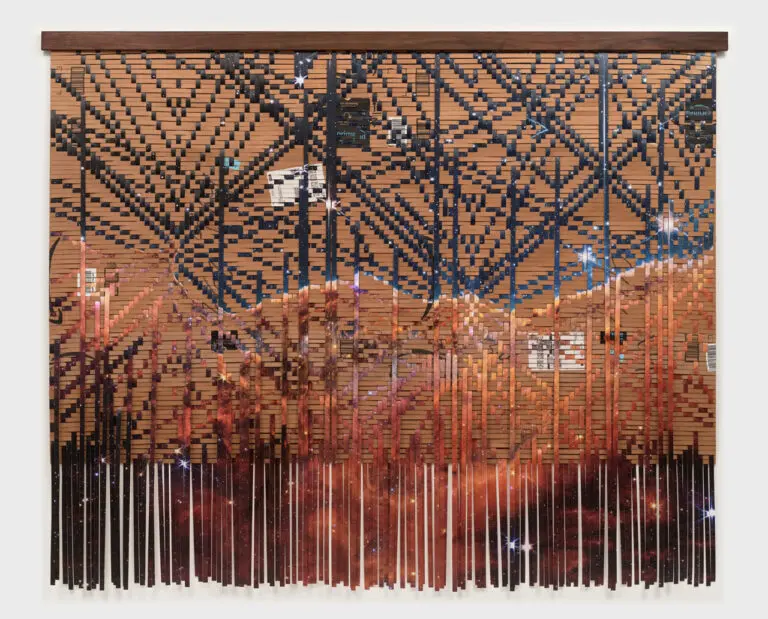
Clarissa Tossin, Future Geography: Cosmic Cliffs, 2023, used Amazon.com delivery boxes, archival inkjet print on photo paper with lamination, wood, Collection of Sarah Miller Meigs, Courtesy of the Artist and Commonwealth and Council, Photo: Brica Wilcox
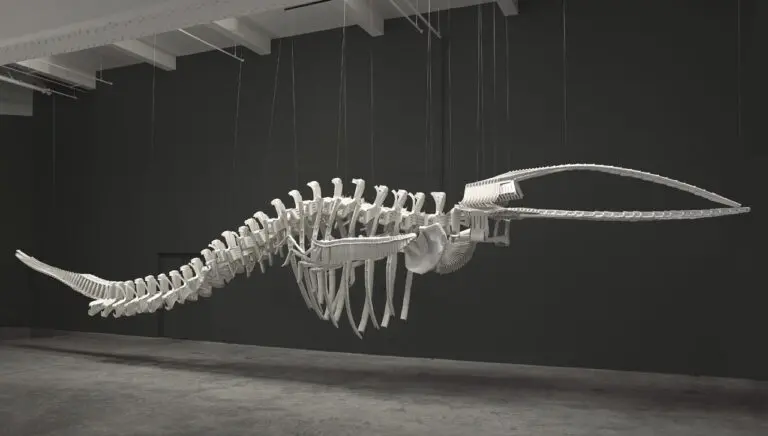
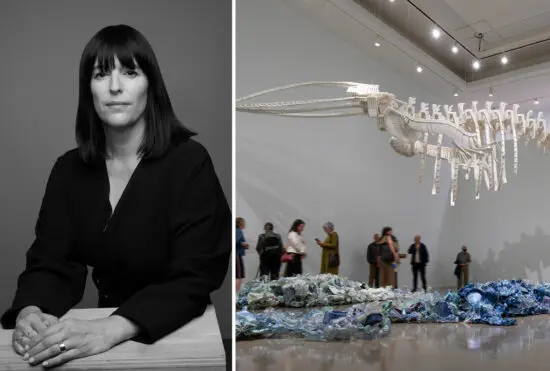
Brian Jungen, Cetology, 2002, plastic chairs, Collection of the Vancouver Art Gallery, Purchased with the financial support of the Canada Council for the Arts Acquisition Assistance Program and the Vancouver Art Gallery Acquisition Fund, VAG 2003.8 a-z, Photo: Vancouver Art Gallery

The Jane Irwin and Ross Hill Contemporary Arts Fund
Terrence and Lisa Turner




Related Events
- Families
- Families
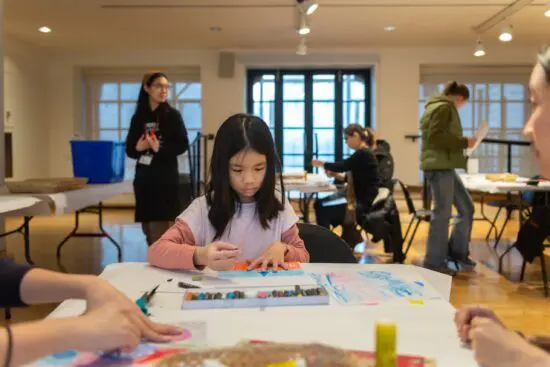
- Families
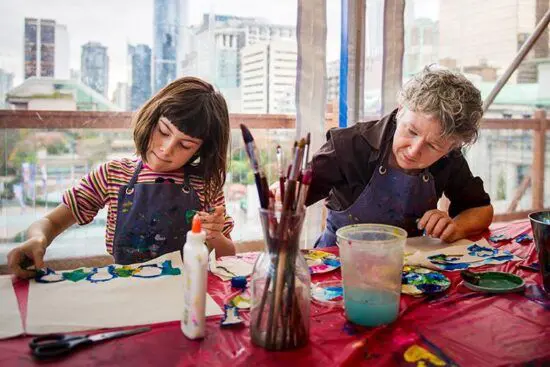
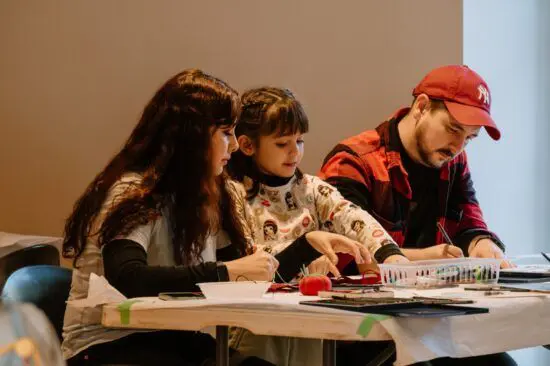
The Making Place | Collage with Natural Materials and Charcoal Drawings
Sun Aug 9, 2026 | 11 AM–4 PMRoom 4East - Special Events
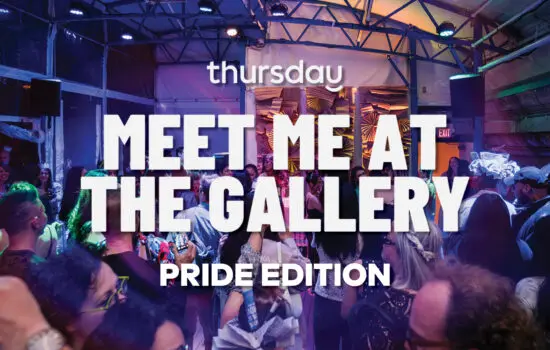
Meet Me at the Gallery | Singles Social: Pride Edition
Fri Jul 24, 2026 | 7–10 PMVancouver Art Gallery - Lectures and Talks
- Families
- Lectures and Talks
- Lectures and Talks
[CNO LIVE] Future Geographies: Art in the Century of Climate Change
Wed Apr 22, 2026 | 10–11 AMOnline